
Sign In
By signing in or creating an account, you agree with Associated Broadcasting Company's Terms & Conditions and Privacy Policy.
By signing in or creating an account, you agree with Associated Broadcasting Company's Terms & Conditions and Privacy Policy.
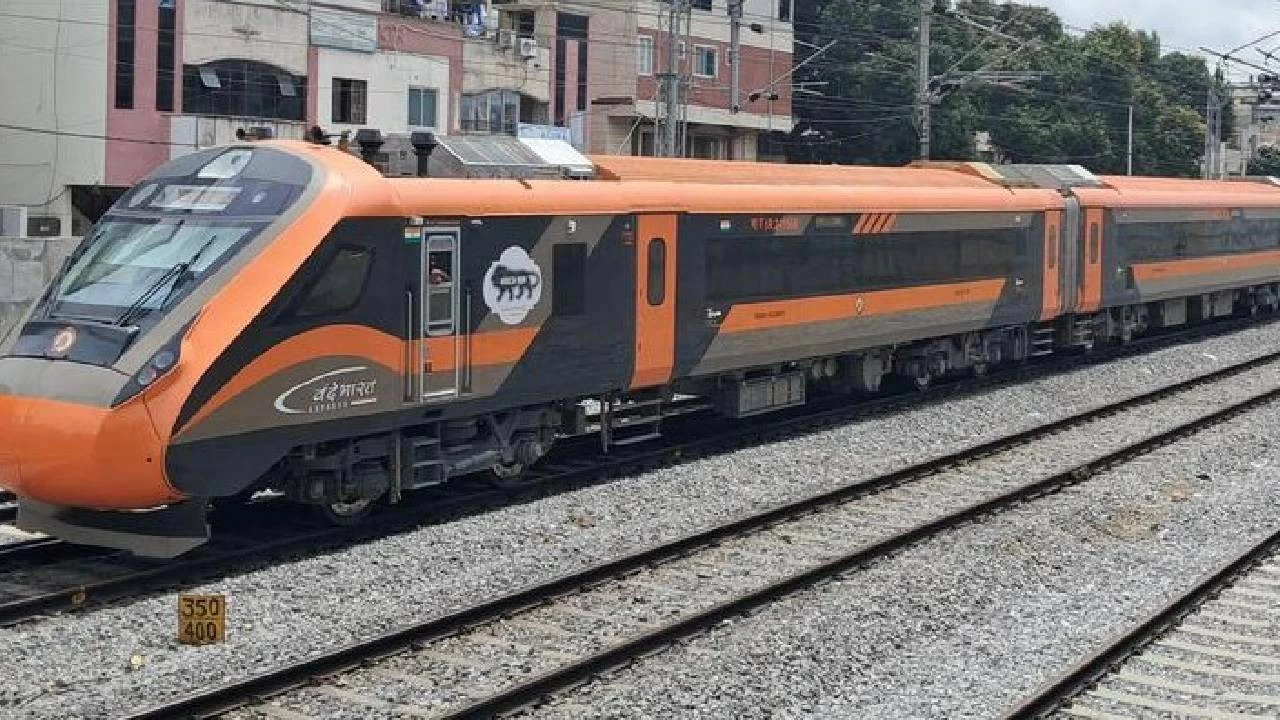


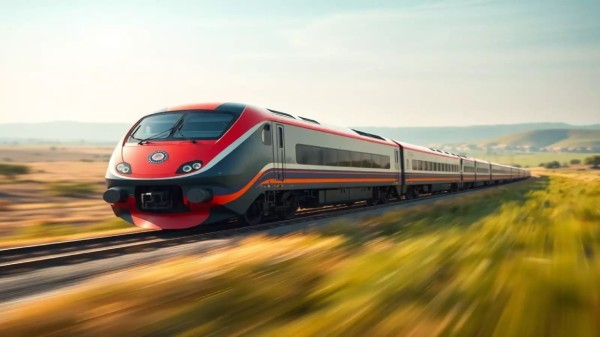
Chennai: In a significant move to accommodate rising passenger traffic, the Southern Railway has officially approved the conversion of the 8-coach Madurai-Bengaluru Vande Bharat Express into a 16-coach train. The enhanced configuration will include 14 AC chair car coaches and 2 executive AC chair car coaches, effectively doubling the train's capacity.
According to a notification issued by the Salem Railway Division, this change will come into effect starting September 11. The decision comes in direct response to consistently high demand on this popular route, which connects key economic and cultural hubs in Tamil Nadu and Karnataka.


Madurai-Bengaluru Vande Bharat Express: Enhanced Amenities and Schedule
The Madurai-Bengaluru Vande Bharat Express, inaugurated on August 31 last year, has become a vital daily service for travelers since September 2. The train currently departs from Madurai at 5:15 AM, making scheduled stops at Dindigul, Trichy, Karur, Namakkal, Salem, and Krishnarajapuram before arriving at Bengaluru Cantonment at 1:00 PM.
The return journey begins at 1:30 PM from Bengaluru, reaching Madurai by 9:40 PM. The service remains non-operational every Tuesday for routine maintenance. The additional coaches, sourced from Kozhikode railway station and transported to Madurai, aim to streamline travel comfort and reduce overcrowding, especially during weekends and festive seasons.
Strategic Expansion to Benefit Daily Commuters and Long-Distance Travelers
This expansion is poised to significantly ease travel for thousands of daily passengers, including professionals, students, and tourists who rely on this efficient and high-speed rail service. The increase from 7 AC chair cars and 1 executive coach to 14 AC chair cars and 2 executive coaches reflects the railways' adaptive approach to addressing infrastructural gaps and improving user experience.
The upgrade is expected not only to meet existing demand but also to promote sustainable intercity travel by encouraging a shift from road to rail transport.