Sign In
By signing in or creating an account, you agree with Associated Broadcasting Company's Terms & Conditions and Privacy Policy.
By signing in or creating an account, you agree with Associated Broadcasting Company's Terms & Conditions and Privacy Policy.
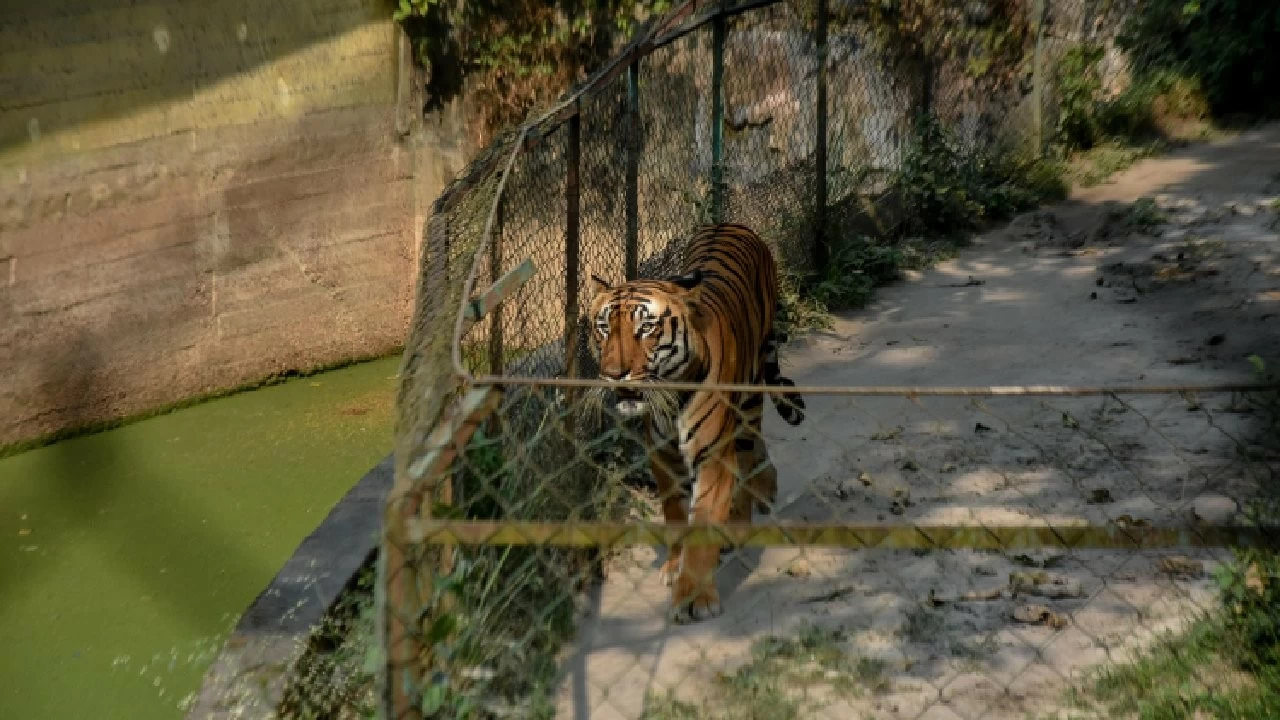


Chennai: The Tamil Nadu Forest Department today commenced the first phase of the 2026 All India Tiger Estimation (AITE), the world's largest wildlife census. The exercise, conducted jointly by the National Tiger Conservation Authority (NTCA) and the Wildlife Institute of India (WII), will systematically survey the state's five tiger reserves and 29 forest divisions over the next seven weeks, concluding by the end of February.
This marks the beginning of the sixth national quadrennial tiger census, with the final results scheduled for release in 2027. The census holds particular significance for Tamil Nadu, which has witnessed a steady increase in its tiger population. The previous AITE recorded a notable rise from 264 tigers in 2018 to 306 in 2022.
From Anamalai to Megamalai: Tamil Nadu Begins 7-Week Tiger Census Across 29 Forest Divisions
The intensive field surveys will be conducted in seven-day cycles, covering all critical habitats. The primary focus areas are Tamil Nadu's five notified tiger reserves:
While the core objective is to accurately estimate the state's tiger population, the census protocol is designed to be holistic. Field personnel will simultaneously collect vital data on the presence and distribution of other key species, including leopards, hyenas, wild cattle (gaur), and various deer species. This ancillary data is crucial for understanding predator-prey dynamics and the overall health of the forest ecosystems.
Building on Conservation Success
The launch of the new census cycle underscores India's continued commitment to tiger conservation. The consistent growth in Tamil Nadu's tiger numbers from 2018 to 2022 reflects the success of targeted conservation strategies, including enhanced protection, habitat management, and community engagement initiatives within and around the reserves.
The findings from Phase I, which involves field sign surveys, prey abundance estimation, and habitat assessment, will lay the groundwork for the more technologically intensive Phase II and Phase III, which utilize camera traps and advanced statistical analysis.
The Tamil Nadu Forest Department has urged the cooperation of local communities and visitors during this period, emphasizing that the census is vital for shaping future conservation policies and ensuring the long-term survival of the state's iconic wildlife.