Sign In
By signing in or creating an account, you agree with Associated Broadcasting Company's Terms & Conditions and Privacy Policy.
By signing in or creating an account, you agree with Associated Broadcasting Company's Terms & Conditions and Privacy Policy.
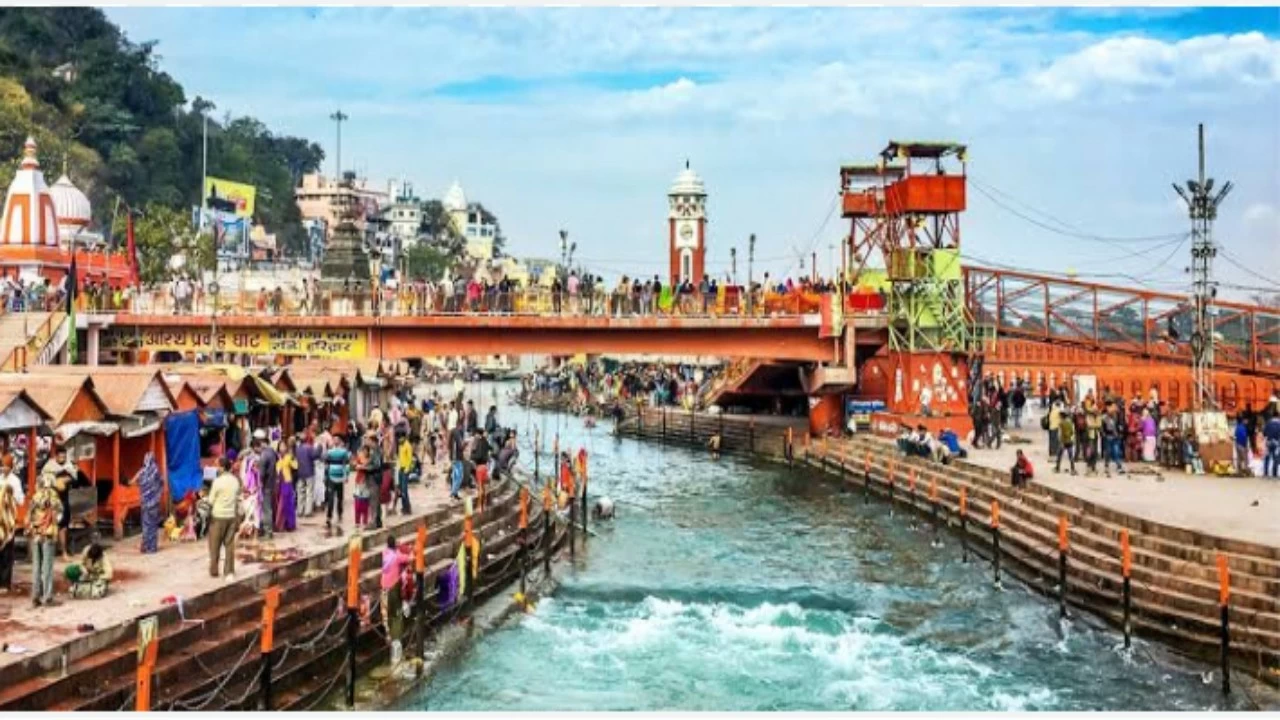


Dehradun: The Uttarakhand government is discussing a proposal to give Haridwar and Rishikesh the status of Sanatan holy cities. This move would extend the current entry ban on non-Hindus, which applies to a few ghats, to all 105 Ganga ghats and the wider Kumbh area.
The proposal is being discussed with seers, saints, Akhara Parishad, and Shri Ganga Sabha, the body that oversees rituals at Haridwar’s ghats. These groups have long demanded that Haridwar be officially recognized as a holy city, with stricter rules to preserve its sanctity.

Saints’ demands
Saints and religious organizations argue that Haridwar’s spiritual character must be protected. They have demanded:
Restrictions on non-Hindus entering the ghats.
A ban on overnight stays for non-Hindus in the city.
Stronger security at religious sites.
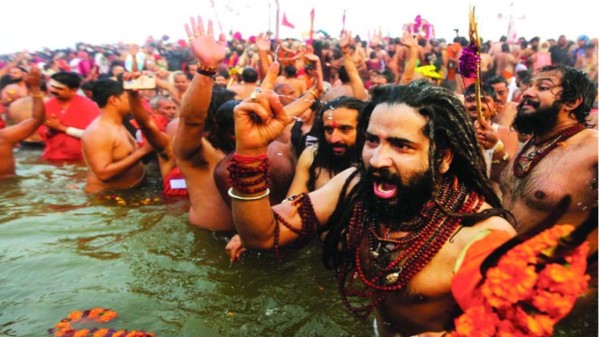
They believe these steps are necessary to maintain discipline during massive events like the Kumbh Mela, which attracts millions of pilgrims.
Government’s stand
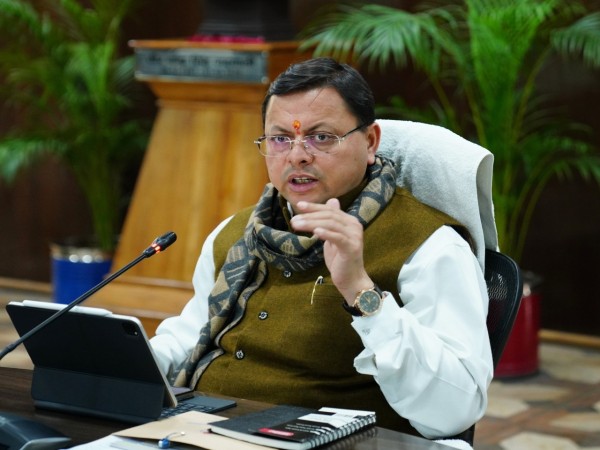
Uttarakhand CM Pushkar Singh Dhami said Haridwar is a sacred city and the government is committed to preserving its sanctity. He confirmed that old Acts and municipal by-laws are being studied to see how restrictions can be extended.
Dhami emphasized that the government is exploring all options to ensure the spiritual character of Devbhoomi Uttarakhand remains intact.
Historical background
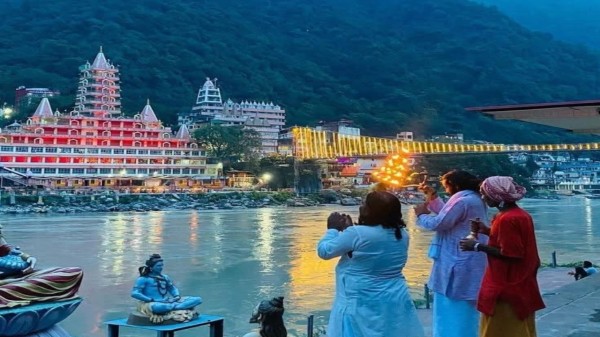
Restrictions on non-Hindus at certain ghats are not new. Records show that in 1916, Bharat Ratna Pandit Madan Mohan Malaviya signed an agreement with the British government to safeguard the uninterrupted flow of the Ganga and the sanctity of Haridwar and Rishikesh. These provisions were later included in municipal regulations, which still restrict entry at key ghats like Har Ki Pauri.
Voices of support
Swami Kailashanand Giri, Acharya Mahamandaleshwar of the Niranjani Akhara, welcomed the proposal. He said, “We are pleased that the Dhami government is considering such an important decision to preserve the sanctity of the Ganga city.” Many seers have long demanded that Haridwar be granted holy city status, with stricter rules for visitors.
Pilgrimage and economy
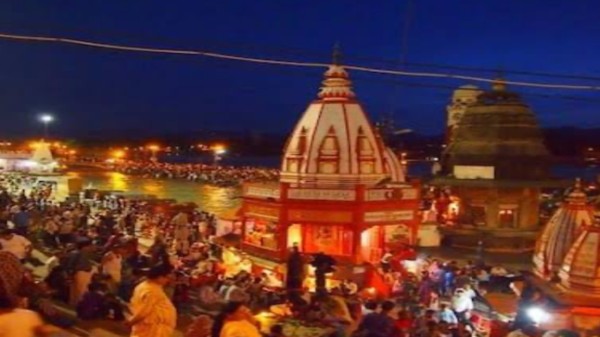
Haridwar attracts nearly 40 million pilgrims annually, with numbers rising sharply during major bathing festivals. These events boost the local economy through tourism, hospitality, and trade.
Locals feel that discipline and sanctity are being disturbed
However, in recent years, the presence of non-Hindu tourists at ghats has sparked controversy and online debates. Some locals feel that discipline and sanctity are being disturbed, while others argue that Haridwar should remain open to all.
The proposal has sparked discussions across Uttarakhand and beyond. Supporters say it will protect the city’s religious character and ensure discipline during the Ardh Kumbh Mela in 2027.
Such restrictions could affect tourism
Critics, however, worry that such restrictions could affect tourism and raise questions about inclusivity. They argue that Haridwar and Rishikesh are also global destinations, visited by people of all faiths for yoga, meditation, and spiritual learning.
Uttarakhand government has not issued an official announcement yet
The government has not issued an official announcement yet. Discussions are ongoing with saints, Akharas, and religious organizations. If implemented, the move would mark a significant step in strengthening the religious identity of Haridwar and Rishikesh. For now, the people of Uttarakhand await clarity on whether the entry ban will be extended and how the balance between tradition and inclusivity will be maintained.