Sign In
By signing in or creating an account, you agree with Associated Broadcasting Company's Terms & Conditions and Privacy Policy.
By signing in or creating an account, you agree with Associated Broadcasting Company's Terms & Conditions and Privacy Policy.
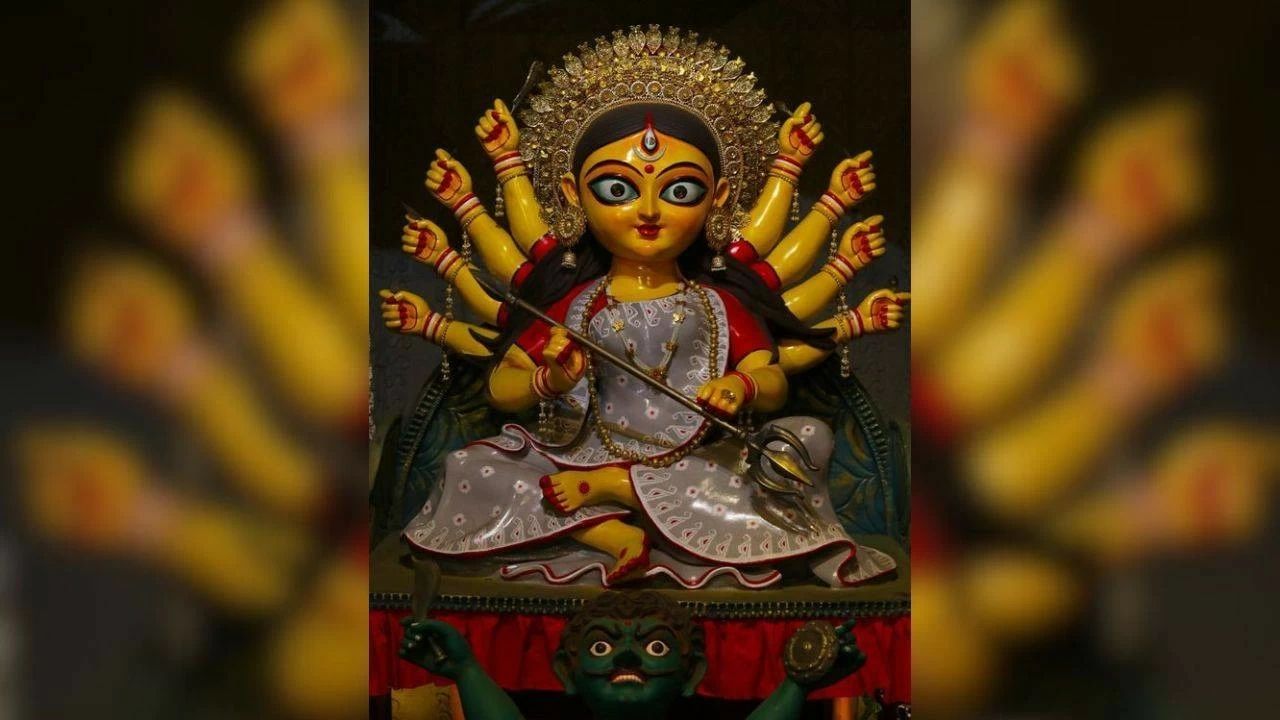

New Delhi: Shardiya Navratri 2025, one of the most sacred and widely celebrated festivals of Hindus across India, is dedicated to Goddess Durga. There are four Navratris observed every year. Chaitra and Shardiya Navratris are the most important, while the other are called Gupta Navratri. This festival is celebrated with great devotion in states like Uttar Pradesh, Rajasthan, Delhi, Assam, West Bengal, Gujarat and Maharashtra for nine days. Navratri symbolises the nine nights of battle between good and evil, culminating in the victory of good on the tenth day.
Shardiya Navratri 2025 begins the day after the new moon or Amavasya. The first nine days of the lunar cycle represent the feminine aspect of the Divine. The ninth day, Navami, marks the end of this phase. During this period, devotees worship the nine divine forms of Maa Durga by following rituals, observing fasting and performing prayers. Let’s explore the significance of the festival and more.
In 2025, Shardiya Navratri will begin on Monday, September 22, with Kalash Sthapana or Ghatasthapana marking the start of the festival. The most important celebration, Durga Puja, will commence on September 28 and continue for five days until Vijayadashami on October 2.
| Event | Date | Colour |
|---|---|---|
| Pratipada (Shailputri Puja) | September 22 | White |
| Dwitiya (Brahmacharini Puja) | September 23 | Red |
| Tritiya (Chandraghanta Puja) | September 24 | Royal Blue |
| Chaturthi (Kushmanda Puja) | September 25 | Yellow |
| Panchami (Kushmanda Puja) | September 26 | Green |
| Mahashashthi (Skandamata Puja) | September 27 | Grey |
| Mahasaptami (Katyayani Puja) | September 28 | Orange |
| Maha Ashtami (Saraswati Avahan, Kalaratri Puja) | September 29 | Peacock Green |
| Mahanavami (Saraswati Puja, Durga Ashtami, Mahagauri Puja, Sandhi Puja) | September 30 | Pink |
| Dashami (Maha Navami, Ayudha Puja, Navami Homa) | October 1 | |
| Vijayadashami (Navratri Parana, Durga Visarjan) | October 2 |
Kalash Sthapana is the most significant ritual that marks the beginning of Navratri. In 2025, the Ghatasthapana Muhurat will be observed on September 22.
Performing Kalash Sthapana during this auspicious time is believed to bring happiness, peace, and prosperity.
Shardiya Navratri is not just about rituals. It symbolises the victory of good over evil. Devotees fast, chant Durga Saptashati, and worship the nine forms of Goddess Durga. In Assam and West Bengal, the grand Durga Puja is celebrated with cultural events, processions, and devotional gatherings.
Day 1: Shailaputri or Pratipada
Significance: Goddess Shailaputri is worshipped. ‘Shaila’ means mountain, and ‘putri’ means daughter. As the daughter of the Mountain God, Goddess Parvati is honoured on this day.
Day 2: Brahmacharini or Dwitiya
Significance: Goddess Brahmacharini, a form of Durga who symbolises the reduction of anger, is worshipped.
Day 3: Chandraghanta or Tritiya
Significance: Devotees worship Goddess Chandraghanta, who is believed to have a third eye and fight against evil demons. Jasmine flowers are offered during the puja to please her.
Day 4: Kushmanda or Chaturthi
Significance: Dedicated to Goddess Kushmanda, whose name means ‘cosmic egg’. She is known for spreading energy and warmth to all.
Day 5: Skandamata or Panchami
Significance: Devoted to Goddess Skandamata, who rules over Budha or the Mercury planet. She is revered for her fierce yet loving nature.
Day 6: Katyayini or Shashti
Significance: On Shashti, Goddess Durga takes the form of Devi Katyayani to defeat the King of Demons. Women offer prayers for a peaceful married and family life.
Day 7: Kalaratri or Saptami
Significance: This day is dedicated to Goddess Kalaratri, known for her fierce nature and her ability to terrify evil spirits throughout the universe. She is the most destructive avatar of Kali Devi and rules over Lord Shani or Saturn.
Day 8: Mahagauri or Ashtami
Significance: On this day, people worship Mahagauri, who is depicted wearing white clothes and riding a bull. Kanya Puja, a special event dedicated to young virgin girls, is celebrated. This day is also known as Mahashtami or Maha Durgashtami and is marked with dance, fun, and prayers.
Day 9: Siddhidaatri or Navami
Significance: Devoted to Devi Siddhidaatri, who is believed to have the power to fulfil all wishes. The ninth day is dedicated to her.
Day 10: Vijaya Dashami or Dussehra
Significance: After nine days of prayers, the 10th day is celebrated as Vijaya Dashmi, a time to begin new endeavours. It is also called Vidyarambham, marking the introduction of children to the world of education. Sindhoor Khela is an important part of the rituals on this day.
According to traditions, the mode of Goddess Durga’s arrival each year holds deep meaning. In 2025, Maa Durga will arrive riding an elephant, which is considered a highly auspicious sign. An elephant symbolises prosperity, growth, and abundance. Devotees believe that this will bring peace and blessings to homes and society.
This nine-day festival is not only a spiritual journey but also a cultural celebration across India. With Maa Durga’s arrival on an elephant this year, devotees look forward to prosperity, harmony, and divine blessings.