Sign In
By signing in or creating an account, you agree with Associated Broadcasting Company's Terms & Conditions and Privacy Policy.
By signing in or creating an account, you agree with Associated Broadcasting Company's Terms & Conditions and Privacy Policy.
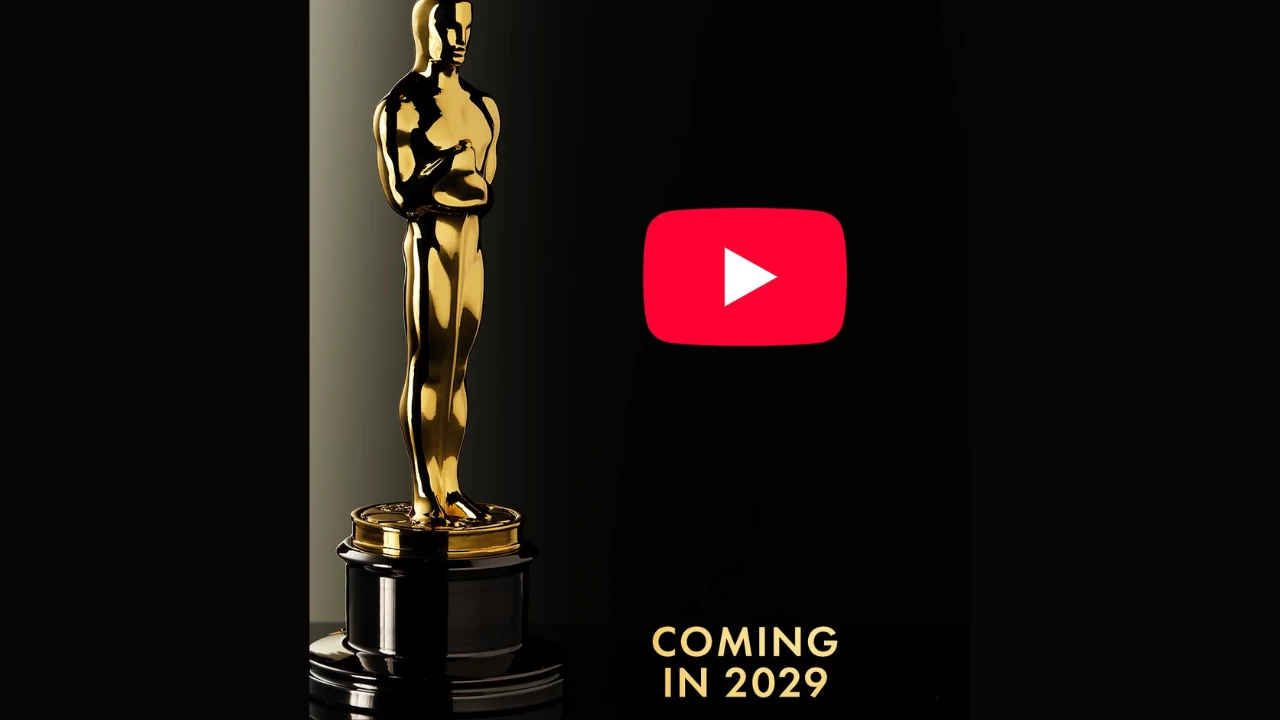

New Delhi: The Oscars are preparing for a historic change from traditional television to digital streaming. Above a new multi-year deal with the Academy of Motion Picture Arts and Sciences, starting in 2029, the Academy Awards will be live and free on YouTube around the globe. The transaction begins with the 101st Oscars and extends until 2033, the first time the show will not be broadcast on a traditional broadcaster.
Television Network ABC, which has been broadcasting the Oscars over the decades, will have the rights up to 2028, including the 100th anniversary ceremony. In 2029, the Oscars will have a single global home through YouTube, which will provide real-time coverage, events on the red carpet, behind-the-scenes, and the Governors Ball. The programme will continue to be advertisement-supported, and the audience in the U.S. can also view it through YouTube TV.
According to academy leadership, the move is meant to increase access and modernise the reach of the show. The worldwide nature of YouTube enables the functionality of multi-audiolanguage audio tracks and closed captioning, which enable the Oscars to reach the global audiences. YouTube CEO Neal Mohan referred to the ceremony as a cultural institution that has the ability to inspire the new generations of creators by exposing them to more people.
In 2025, the Academy had to devote a significant part of its time to the search for new broadcast partners. Other competitors included NBCUniversal and Netflix, but YouTube finally emerged the winner with a reported nine-figure bid. Disney was paying approximately 100 million annually but wanted to cut the expenses as long-term ratings were going down.
The Oscars will no longer be subjected to a rigid time constraint on YouTube, which could give the Academy greater creative ability in how the show should be shaped and its length. Nevertheless, there are concerns about online audience measurement, overseas licensing fees, and customers paying attention to a platform that is linked to shorter content.
Nevertheless, the proponents maintain that the action is indicative of the audience's direction. The digital jump of the Oscars might not be as risky as it might seem, since YouTube is already the most-watched streaming site in the world, and it would be simply a sign of what is to come for the industry.