Sign In
By signing in or creating an account, you agree with Associated Broadcasting Company's Terms & Conditions and Privacy Policy.
By signing in or creating an account, you agree with Associated Broadcasting Company's Terms & Conditions and Privacy Policy.
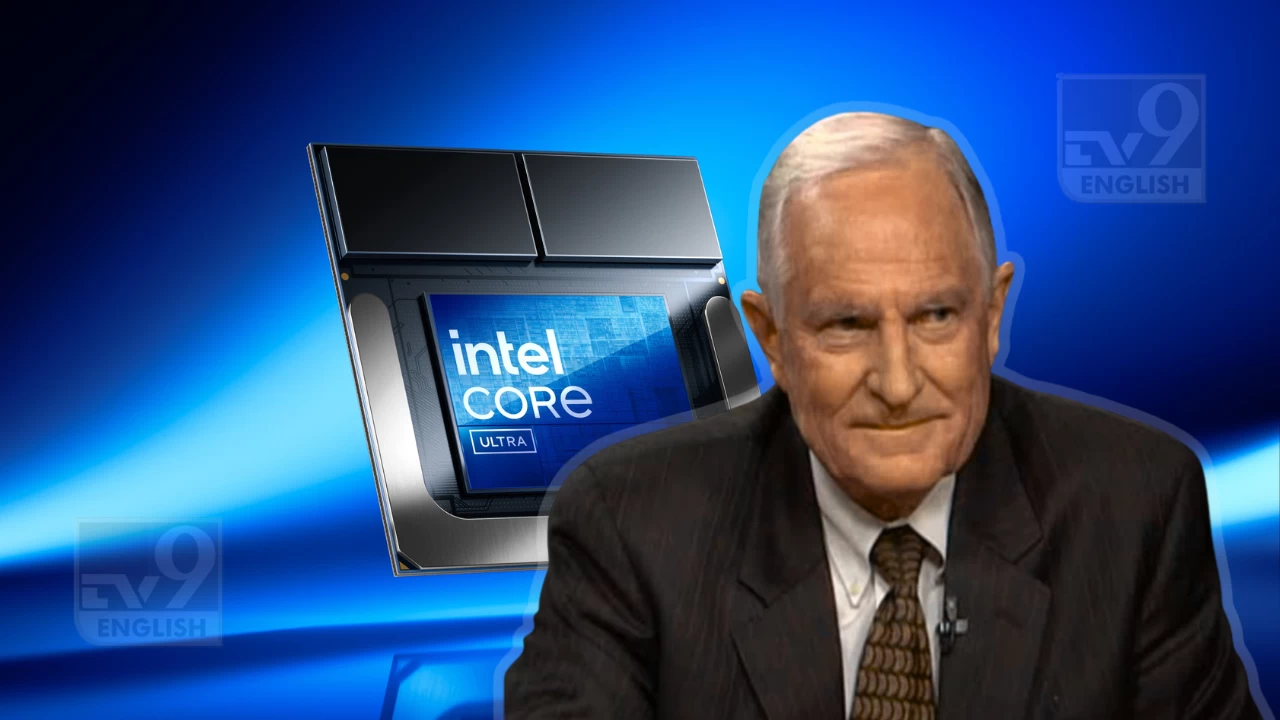

New Delhi: Former Intel CEO Craig Barrett has laid out a bold, and frankly urgent, plan to pull Intel back into a leadership position in advanced chip manufacturing. In a detailed interview with Fortune, Barrett said the United States’ tech future depends on keeping Intel competitive and capable of producing state-of-the-art logic chips on home soil.
Barrett believes Intel is the only American company that can handle this kind of high-end manufacturing, and without it, US firms like Nvidia, Apple, and Google risk relying too much on overseas suppliers. He also made it clear that both the government and customers need to step up if this is going to happen.
Barrett argued that neither Samsung nor TSMC plans to bring their most advanced manufacturing to the US anytime soon, leaving Intel as the only domestic option. “US customers like Nvidia, Apple, Google, etc need and should understand they NEED a second source for their lead product manufacturing due to pricing, geographic stability and supply line security reasons,” he said.
But there is a major roadblock: money. Intel is “cash poor” in Barrett’s words and would need around 40 billion US dollars, or roughly ₹3.48 lakh crore, to build the capacity to rival TSMC. He is not counting on the US government to fill that gap entirely, pointing out that this amount is basically the whole pool of the CHIPS Act capital grants. Instead, he sees the solution coming from customers themselves.
“If 8 of them were willing to invest 5 billion each then Intel would have a chance,” Barrett said. In return, those customers would get a stake in Intel and guaranteed supply. He believes the case is strong, domestic supply security, a backup source for critical chips, better leverage in negotiations with TSMC, and even national security considerations.
Barrett also criticised the approach of current Intel leadership, particularly comments about delaying investment in new technology like 14A until customers commit. “To win in this space you need to be the leader in technology not the follower,” he said, adding that customers will not sign up for a product that is “second best.”
He noted that Intel has promising technology in the pipeline, including high NA EUV and backside power, but the company needs to invest now to have a realistic shot at regaining leadership.
One of Barrett’s more forceful suggestions was for the US government to use trade policy to tip the scales. He proposed that if Washington “gets its act together” and sets a hefty tariff, “50% (or whatever number Trump picks)”, on imports of state-of-the-art semiconductors, it could push the market towards domestic manufacturing. He compared this to existing policies supporting US steel and aluminium.
Barrett dismissed calls from what he called the “four former wise board members” to break Intel into two pieces before customers invest. He argued that the immediate priority is securing funding, committing customers, and ensuring national security. “If you want to complicate the problem, then take the time to split up Intel and make the FFWBMs happy but if you’re in the business of saving Intel… then solve the real problem,” he said.
In Barrett’s view, it will take a combined push from all sides. “POTUS and DoC can set the stage, the customers can make the necessary investments, the Intel Board can finally do something positive for the company, and we stop writing opinion pieces on the topic.”
If his plan sounds aggressive, it is because the clock is ticking.