Sign In
By signing in or creating an account, you agree with Associated Broadcasting Company's Terms & Conditions and Privacy Policy.
By signing in or creating an account, you agree with Associated Broadcasting Company's Terms & Conditions and Privacy Policy.
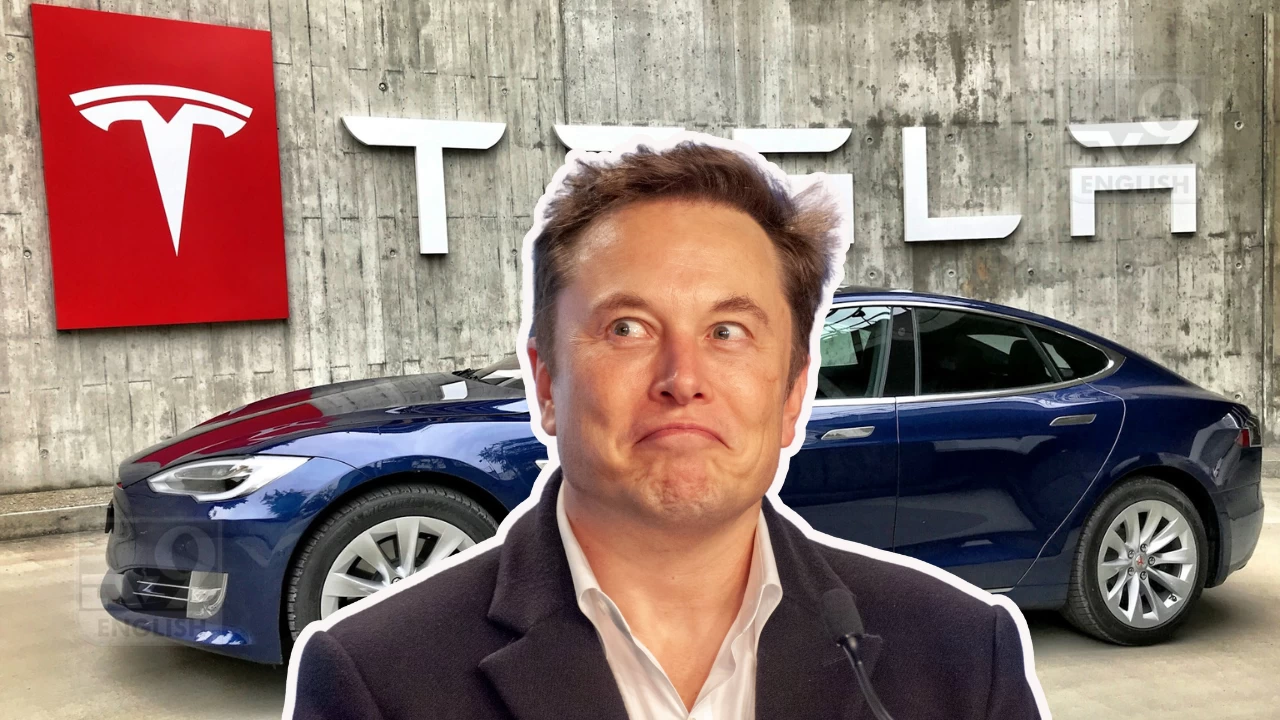

New Delhi: Tesla has placed CEO Elon Musk at the center of what could become the largest executive pay package in corporate history. A regulatory filing shows the board is offering him a 10-year, $1 trillion compensation plan, dwarfing anything seen before in the business world.
The proposal comes at a time when Tesla is facing slowing electric vehicle sales, stiffer competition from China’s BYD and others, and a shift toward robotics and AI. Bloomberg first reported the details of the plan, which is now heading for a shareholder vote in November.
The plan is not a simple cash award. It would grant Musk up to 12 percent of Tesla’s stock if the company’s market value rises from about $1 trillion to $8.6 trillion over the next decade. At current exchange rates, that target equals nearly ₹750 lakh crore.
To unlock the full payout, Tesla says Musk must oversee massive growth milestones, including:
The filing emphasizes that Musk will not draw any salary or cash bonus, echoing the structure of his 2018 $56 billion (₹4.87 lakh crore) deal.
The move comes months after a Delaware judge struck down Musk’s earlier $50 billion package, calling it excessive. Tesla has since shifted its incorporation to Texas and is appealing that ruling. In the meantime, the board granted Musk an interim award valued at about $29 billion (₹2.52 lakh crore) in restricted stock to secure his leadership through at least 2030.
Board chair Robyn Denholm wrote in a letter to shareholders that “retaining and incentivizing Elon is fundamental to Tesla achieving these goals and becoming the most valuable company in history.”
The plan will significantly increase Musk’s voting power if approved, raising questions about governance and succession. The proxy filing noted that Musk must participate in shaping Tesla’s long-term leadership framework as part of the deal.
The company said “traditional compensation packages granted to executives at other companies were determined to not be appropriate for designing Mr. Musk’s incentive compensation.” The board also disclosed that a special committee of independent directors reviewed the proposal.
Tesla shares rose about 2 percent in premarket trading after the filing. The move underlines the company’s reliance on Musk even as global demand for EVs softens and Chinese automakers mount pressure in key markets. BYD, which trades in Shenzhen at 002594.SZ, has overtaken Tesla in some quarterly EV sales tallies.
For Musk, who already holds around 13 percent of Tesla, the deal could boost his stake to at least 25 percent. That level, worth trillions of rupees, would cement his control over the company as it pivots to AI, robotaxis, and humanoid robots to fuel future growth.