New Delhi: Twenty five years ago, a simple idea went live on the internet. A free encyclopedia that anyone could edit. No ads. No paywall. Just knowledge, written and checked by volunteers. On January 15, 2001, that idea became Wikipedia. Today, it is hard to picture daily internet life without it.
From homework checks to late night curiosity spirals, Wikipedia sits quietly in the background. It does not shout. It does not chase clicks. Yet the numbers it pulls are massive. As the platform turns 25, new data shows how deeply it is woven into global online habits.
Wikipedia at 25 and still ad-free
Wikipedia now hosts over 30 million articles, published across 277 languages. It is run by volunteers and overseen by the Wikimedia Foundation. Despite early criticism about accuracy, the platform has grown into the seventh most visited site in the world.
According to Wikimedia Statistics, Wikipedia logged “27 billion page views in December from seven billion unique visitors”. That figure sits just shy of the world’s current population. These are traffic numbers most digital publishers can only dream of. Still, Wikipedia stays mostly free of ads, relying on donations that pop up gently, almost politely.
The most visited pages reveal global curiosity
To mark its anniversary, Wikipedia shared its most viewed pages with Popular Science. The foundation noted that “its data dates back only to 2008”, but the trends are telling.
At the top sits the “Death List per year” page with 647,025,321 views. People often turn to Wikipedia to check who passed away. Close behind are:
- United States of America with 328,501,200 views
- Donald Trump with 325,397,973 views
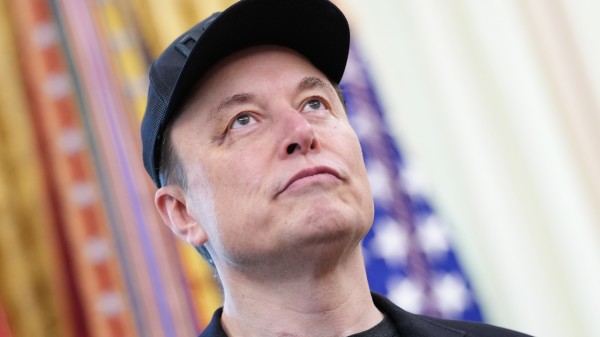
Other highly searched pages include Queen Isabel II, who died in 2022, India, Cristiano Ronaldo, Barack Obama, Elon Musk, World War II, Lionel Messi, and Michael Jackson. Pop culture also makes its presence felt through Game of Thrones, Taylor Swift, Eminem, and the Oscars.
Built by volunteers, read by the world
In 2020, the Guinness Book of World Records named Wikipedia the largest encyclopedia in the world. By then, it had already crossed that mark years earlier. It reached 50 million articles across languages and kept growing.
At 25, Wikipedia remains rare online. Massive reach. Minimal noise. No ads chasing you across tabs. Just information, sitting there, waiting to be read.