Sign In
By signing in or creating an account, you agree with Associated Broadcasting Company's Terms & Conditions and Privacy Policy.
By signing in or creating an account, you agree with Associated Broadcasting Company's Terms & Conditions and Privacy Policy.
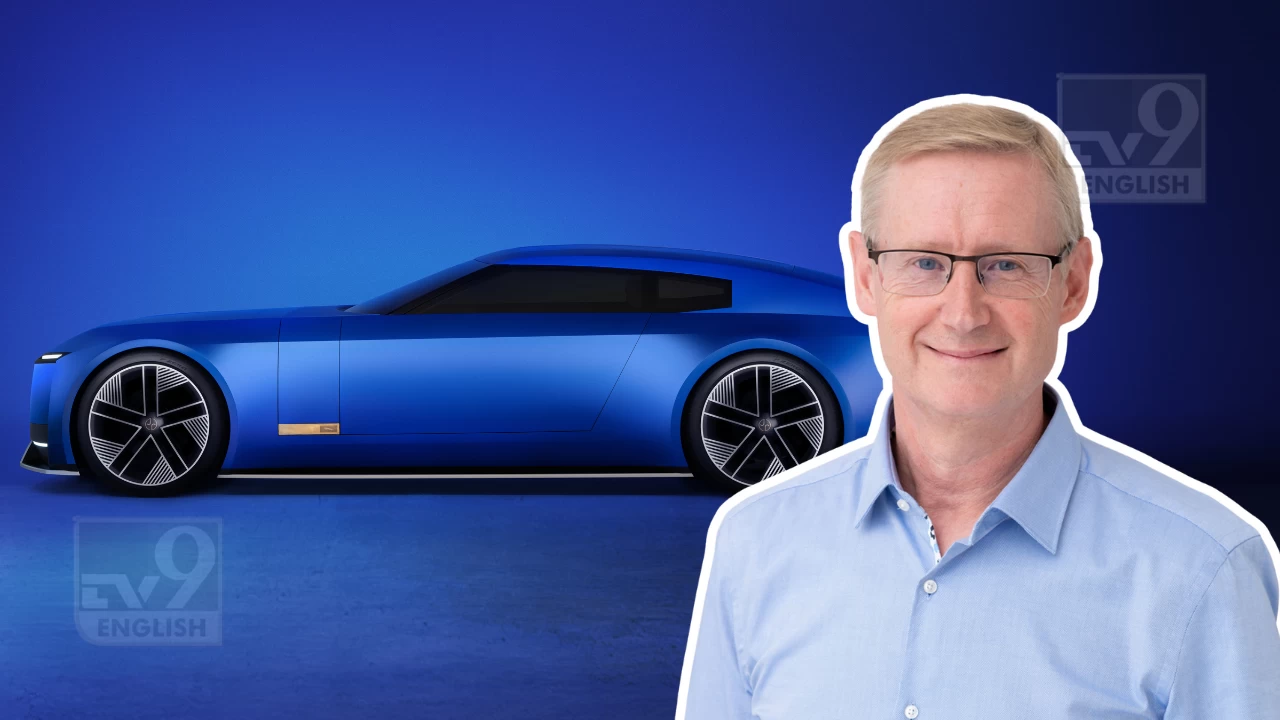


New Delhi: Adrian Mardell, the long-serving Jaguar Land Rover (JLR) executive, is stepping down after 35 years at the company and nearly three years as its CEO. The 64-year-old British automotive veteran confirmed his decision to retire, marking the end of an era for the Tata Motors-owned luxury brand. His successor will be announced soon, a JLR spokesperson said.
Mardell, who took over as CEO in late 2022 after serving as Chief Financial Officer since 2019, oversaw one of the company’s most critical phases. From steering the business out of debt to navigating tariff challenges in key markets, his leadership saw a mix of financial highs and PR lows. His departure also comes months after a controversial rebranding campaign that drew sharp criticism from car buyers and political commentators.
Adrian Mardell joined Jaguar in 1990 and held several finance roles for over two decades. He played a central role in turning around the company's finances, wiping out nearly £5 billion (around ₹41,650 crore) in debt and delivering JLR's best operational performance in over a decade. But his time as CEO wasn’t without drama.
In November 2024, Jaguar launched a bold new ad campaign as part of a rebrand effort. But instead of cars or even the signature Jaguar logo, the 30-second ad featured an androgynous model, dramatic visuals, and messages like "break moulds" and "create exuberant." While Mardell believed the rebrand could bring back the "awe" associated with classic models like the E-Type, the campaign backfired.
Social media erupted with criticism. Tesla CEO Elon Musk asked if Jaguar still sold cars, while political figures like Nigel Farage predicted financial doom. Many called it a "woke" misstep. Jaguar soon dropped the agency behind the ad and began looking for a new partner.
The fallout from the campaign was visible. Jaguar's Europe sales crashed by 97.5% year-on-year in April, according to the European Automobile Manufacturers' Association. The brand sold just 49 cars that month compared to 1,961 a year earlier. While global sales didn’t entirely collapse, the Europe numbers were a warning sign.
Yet on the financial front, Mardell helped JLR bounce back strong. The company posted its highest profits in a decade. Even during the temporary halt in exports to the US in April 2025, following a 25% import tariff imposed by former US President Donald Trump, JLR managed to resume deliveries by May. The US remains a critical market, especially for high-margin models like the Range Rover and Defender.
Before becoming CEO, Mardell worked behind the scenes, helping JLR through some tough phases. As Deputy CFO and Chief Transformation Officer, he helped launch key internal programmes like 'Charge' (focused on short-term profit and cash flow) and 'Accelerate' (aimed at long-term operating efficiency).
Even as the rebrand became a blemish on his legacy, many credit him for helping put JLR back on stable financial footing. His strategy focused on managing debt, streamlining operations, and leaning on the success of Land Rover's SUV line-up.
Jaguar Land Rover has not announced who will take over as CEO, but the new leadership will inherit a brand at a crossroads. Electrification, design identity, and global market volatility remain big challenges. Whether Jaguar sticks with its radical brand tone or goes back to its legacy roots will be something to watch in the coming months.
For now, Adrian Mardell exits with a mixed report card: financial success, brand controversy, and decades of loyalty. As Tata Motors looks to the future of its luxury arm, all eyes are on who comes next.