Kolkata: 2025 is a remarkable year. It is a year when the government brought down the prices of a whole lot of goods and services -- from bread to insurance premiums -- at one swift stroke. The GST rejig of September 3 was quite a landmark event since it not only abolished two slabs of the indirect tax of 12% and 28%, but also shifted a number of items from 5% to zero, 18% to 12% and 28% to 18%. A new 40% slab has been created only for a handful of sin goods such as tobacco and aerated drinks.
According to SBI Research, the think tank of the State Bank of India, a total of 453 goods underwent revision of GST. Out of these, 413 items, or more than 91%, had a reduction while taxes went up for only 40 items (or 8.8%). Also 295 items, including several essential goods, were shifted from a 12% rate to 5% or zero. Needless to say, the government sacrificed a significant amount of revenue, which it hoped to make up by the bigger volumes that consumers could pick up, triggered by the declining prices.
Inflation at multi-decadal low
The indirect tax rejig had a salubrious effect on the low retail inflation figures that were recorded in September and October, which were at 1.54% and 0.25% respectively in these two months. It must be noted that the October inflation number is a historic low. Also the retail inflation figure has remained below the lower band of tolerance level of 2% that the Reserve Bank of India follows. It is indeed a rare occurrence.
SBI Research observed that the GST revision on essentials could lower retail inflation in this category by 25-30 basis points this year. It assumed a 60% pass-through effect on food. The GST rejig on services, it said, could bring down CPI-based inflation by 40-45 basis points (considering a 50% pass-through impact). The agency said that the indirect tax reforms could lower inflation by 65-75 basis points in FY27.
The consumption imperative
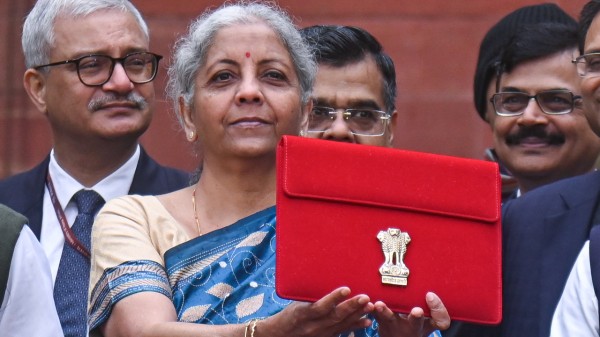
The rationale of the tax reform was the urgent need to boost consumption. Private consumption constitutes about 60% of the GDP and it was felt that GDP growth rates needed a boost. The Centre was trying to raise consumption throughout this year. In the Union budget, FM Nirmala Sitharaman announced significant income tax cuts for salaried people, when effectively an annual income of up to Rs 12.50 lakh became free from tax. This put
additional money at the hands of the common person. The RBI, on its part, brought down the policy Repo Rate by 125 basis points between February and December, which resulted in banks lowering interest rates on personal loans, home loans, car loans and education loans. The third impetus came in early September when the GST Council implemented the GST reforms. These three steps, cumulatively could have contributed to the consumption boost that was witnessed in the festive month of October.
Looking on the horizon was the negative impact of the adverse external sector. US President Donald Trump announced a 50% tariff on a wide array of goods imports from India which was to cast a shadow on the country's growth prospects. The push from the policymakers intensified after the huge tariffs -- the highest in the world on any country's goods -- were set rolling by Washington.
The Budget impact
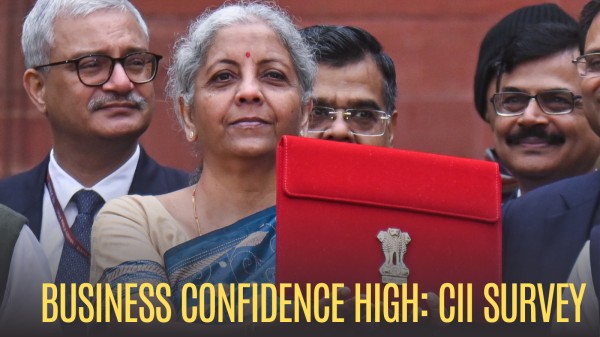
After FM Nirmala Sitharaman presented the Union Budget on February 1, it became clear which items could become cheaper and which could become more expensive. Among the items that became cheaper were:
Mobile phone components: Duty exemptions on 28 items used in mobile phone battery manufacturing announced
LED/LCD TVs: Reduction in duties on open cells and other essential components
EV batteries, components: Reduced duties on lithium-ion battery scrap, cobalt, and other key materials announced
Medical equipment, life-saving drugs: 36 critical medicines, including cancer drugs, exempted from basic customs duty
Leather and shipbuilding: Import duties on wet blue leather and raw materials for shipbuilding reduced
Seafood imports: Duty reductions on frozen fish paste and fish hydrolysate will help lower production costs for seafood-based products, promoting exports.
Conversely, the following items became
more expensive after the budget:
Interactive flat panel displays: Customs duties on interactive flat-panel displays raised from 10% to 20%
Knitted fabrics: Customs duties hiked for knitted fabrics, especially for clothing and apparel items
The great GST axe
The great GST rejig was perhaps the single biggest cat of reduction of prices of goods and services in the country in the last several decades. According to the new rates applicable on a host of services and products, the prices of the following came down:
Tractors: GST 12% to 5%
Tractors tyres and parts: 18% to 5%
Harvesters, sprinklers, poultry, apiary equipment: 12% to 5%
Biopesticides: 12% to 5%
Small cars, 2 wheelers (up to 350 cc): 28% to 18%
Bus, truck, 3 wheelers, auto parts: 28% to 18%
Hotel tariff (up to Rs 7,500 per night): 12% to 5%
Gym, salon, barbers, yoga centre: 18% to 5%
Geometry box, school cartons: 12% to 5%
Handicraft idols & statues: 12% to 5%
Paintings, sculptures: 12% to 5%
Wooden/metal/textile dolls & toys: 12% to 5%
Life and health insurance premium: 18% to 0%
33 life-saving drugs, diagnostic kits: 12% to 0%
Ayurveda, Unani, Homoeopathy: 12% to 5%
Spectacles and corrective goggles: 28% to 5%
Medical oxygen, thermometers, surgical instruments: 12-18% to 5%
Medical, dental, and veterinary devices: 18% to 5%
At the time of announcing the GST cuts, the government estimated that the annual revenue impact could be about Rs 48,000 crore, though many pointed out that this figure was difficult to estimate since rate cuts were likely to boost consumption and higher volumes could eventually result in higher indirect tax collections.