The NISAR satellite launched on the
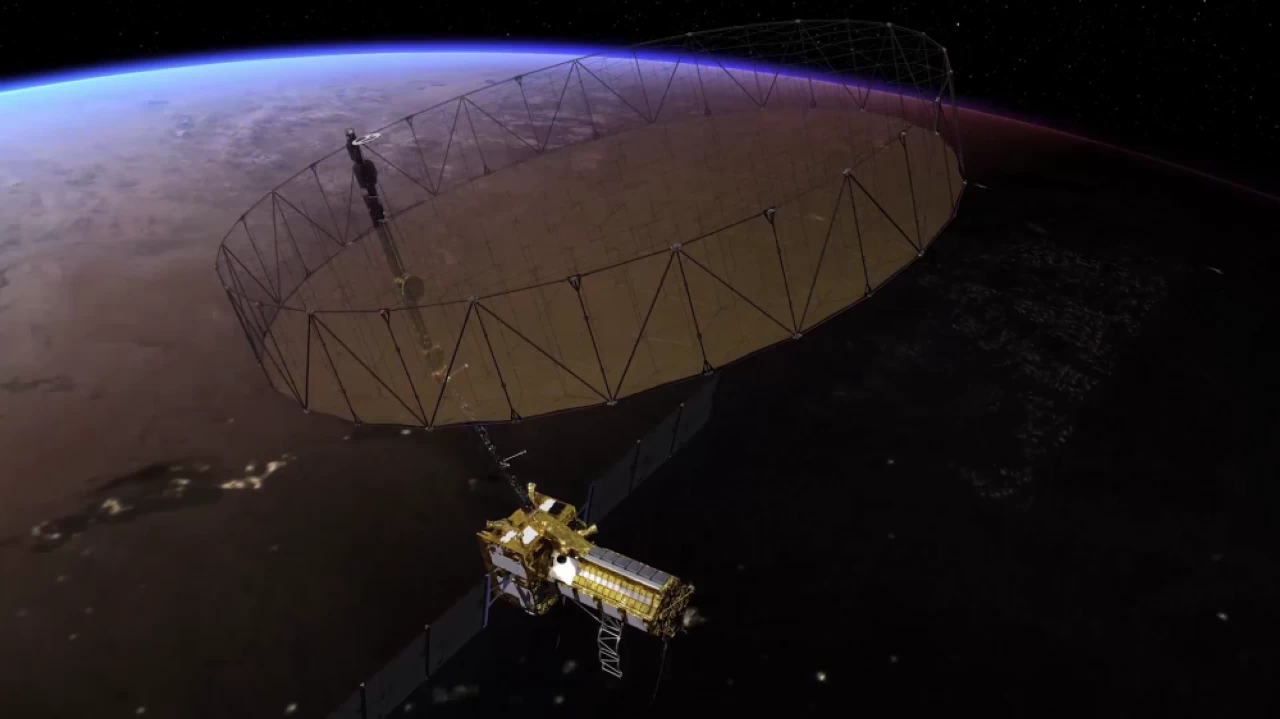
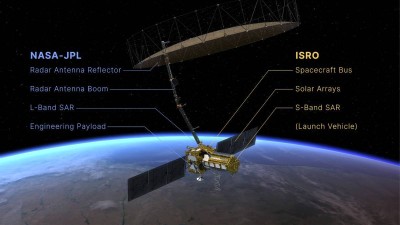
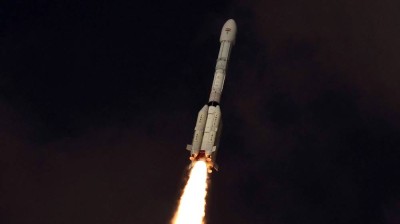
GSLV-F16 flight from ISRO's spaceport in Sriharikota has successfully deployed its nine-metre long boom and 12-metre wide radar reflector antenna. These components were stowed away to fit in the nose cone of the GSLV, the tallest operational rocket in ISRO's fleet that successfully flew to a Sun Synchronous Polar Orbit for the first time. The boom and the radar reflector antenna were deployed carefully, over the course of 17 days after the launch. The antenna reflector was folded up, like an umbrella. The launch vehicle, the boom and the radar reflector antenna were the single points of failure on the mission and have all performed as expected. All the other elements on the mission are either redundant or designed to degrade slowly.
Director of the Earth Science Division at NASA HQ in Washington said, "The successful deployment of NISAR’s reflector marks a significant milestone in the capabilities of the satellite. From innovative technology to research and modeling to delivering science to help inform decisions, the data NISAR is poised to gather will have a major impact on how global communities and stakeholders improve infrastructure, prepare for and recover from natural disasters, and maintain food security." The satellite has two radar payloads on board, an L-band system from NASA's Jet Propulsion Laboratory in California and an S-band system from ISRO's Space Applications Centre in Ahmedabad. NISAR is the first collaboration of its kind between India and USA.
NISAR data to benefit planet
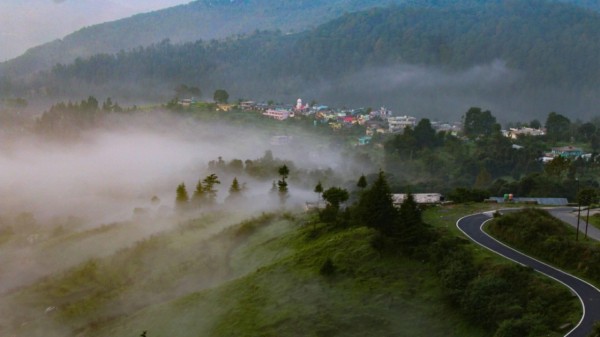
NISAR project manager at JPL, Phil Barela said, "This is the largest antenna reflector ever deployed for a NASA mission, and we were of course eager to see the deployment go well. It’s a critical part of the NISAR Earth science mission and has taken years to design, develop, and test to be ready for this big day. Now that we’ve launched, we are focusing on fine-tuning it to begin delivering transformative science by late fall of this year." Both ISRO and NASA intend to make the data available to the general public. The satellite has the capabilities of closely tracking deformations on the surface of the Earth, and can peer through clouds as well as vegetation. The data can be used to track landslides, earthquakes, volcanic activity, as well as movements of global ice sheets and the health of forests.