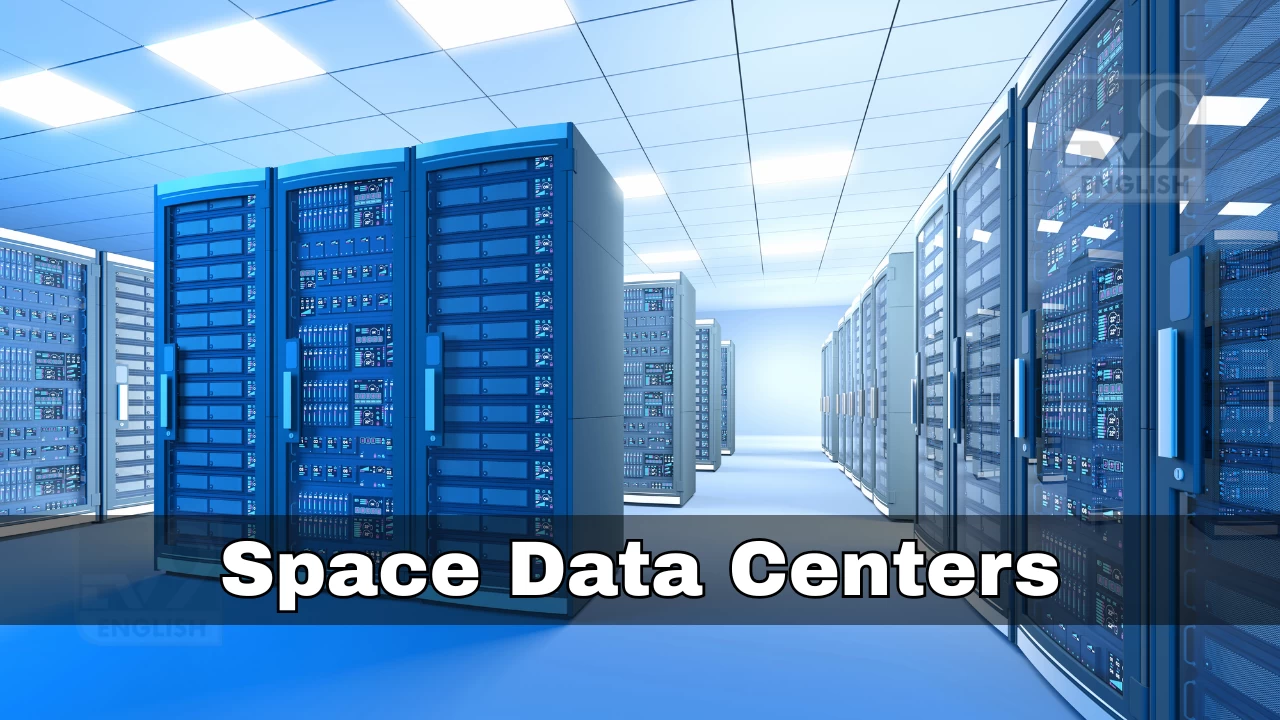
New Delhi: Data centres are growing like weeds — but so are their problems. With AI eating up more and more power, companies face rising electricity bills, increasing emissions, and huge water use. Some projections say that by 2030, power demand from AI data centres alone could increase by as much as 165 percent. And over half of that energy today comes from fossil fuels, threatening to undo climate progress.
Now imagine moving these vast computing farms off-Earth and into orbit. It may sound like science fiction but big names like Google LLC, Jeff Bezos, and Sam Altman are seriously flirting with the idea of space-based data centres.
Why even think of data centres in space
The logic is simple: on Earth, data centres fight with power, cooling, land and water. In space you can tap near-continuous sunlight and avoid many earthly limits. Google’s blog on its Project Suncatcher says a solar panel “can be up to eight times more productive than on earth” in the right orbit. The project envisions “compact constellations of solar-powered satellites … carrying Google TPUs and connected by free-space optical links.”
Startups and major players are already investing in this future. For instance, space startup Starcloud plans to launch a satellite carrying NVIDIA’s H100 GPU to test compute in orbit. Bezos predicted “gigawatt-scale data centres will be built in space within the next 10 to 20 years” and said “we will be able to beat the cost of terrestrial data centres in space in the next couple of decades.”
Earth’s data centre crunch
- There are at least 5,400 data centres in the US alone, growing fast.
- These facilities could consume up to 12 percent of US electricity by 2028.
- AI data centres in particular rely heavily on fossil power and massive water cooling systems.
Tech firms are aware of the squeeze. Shifting some workloads into orbit could relieve pressure on grids, reduce land-use conflicts, and cut emissions if done right.
High hurdles still ahead
While the idea glitters, the technical challenge is real. Google’s research notes the need for “high-bandwidth communication between satellites, orbital dynamics, and radiation effects on computing.” One key test: their Trillium-generation TPUs survived radiation tests meant to simulate years in orbit. And yet there are major problems left: cooling in vacuum, managing space debris, and developing reliable links back to Earth.
Why India should keep an eye on this
For Indian data-centre firms, cloud providers and even power utilities, the space concept matters. If major workloads move off-Earth, the global compute geography could shift. India’s booming tech sector may need to adjust strategies around edge computing, renewable power sourcing and infrastructure planning.
In many ways, this space data-centre push is a future-casting moment: what we build today or decide not to build might determine how we handle AI’s hunger for compute in the decades to come.