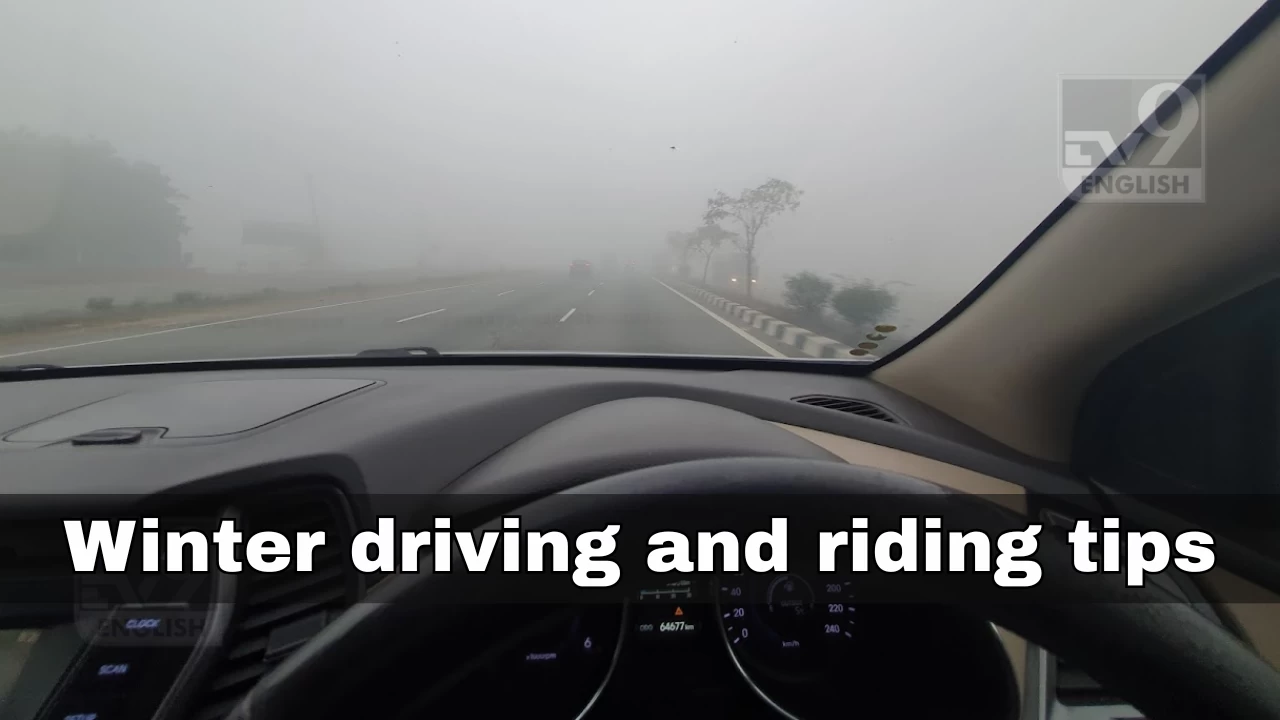
New Delhi: North India is back under a thick winter fog, and the roads are once again turning risky. Over the past few days, dense fog mixed with pollution has pushed visibility close to zero across Delhi NCR, Uttar Pradesh, Haryana, and nearby regions. According to official air quality data, Delhi’s AQI touched 456 early morning and later climbed to 461, one of the worst readings this season . That mix of fog and smog has already led to deadly pile-ups on major expressways.
As someone who drives on these highways often, I can say this stretch of winter is always the most stressful. You slow down, strain your eyes, and still feel unsure about what lies ahead. In Mathura, at least four people lost their lives after multiple buses and cars crashed on the Delhi-Agra Expressway. A similar accident was reported earlier on the Delhi-Mumbai Expressway . With such incidents piling up, fog safety is not optional anymore.
Why North India fog turns deadly for drivers and riders
Fog in North India is not just cold air. During winter nights, temperatures drop sharply and the air near the ground cools fast. Moisture from rivers, canals, and fields in the Indo-Gangetic plains turns into tiny droplets, forming thick fog. Weak winds trap it near the surface for hours.
Pollution makes things worse. Vehicle smoke, industrial emissions, and crop residue burning mix with fog, creating dense smog. Visibility drops, depth perception goes for a toss, and even familiar roads feel new and unsafe .
Fog driving tips every car owner should follow
If travel cannot be avoided, patience matters more than horsepower or tech features.
- Slow down and keep distance Drive well below the speed limit. Double or even triple the normal gap. The car ahead may vanish suddenly in fog.
- Stay in your lane Avoid overtaking or weaving. Follow lane markings and road reflectors. They guide better than tail lamps.
- Use low beam and fog lamps High beams bounce back light and reduce visibility. Low beam and fog lamps help you see the road surface clearly.
- Avoid hazard lights while moving Hazard lights confuse drivers behind. Use them only if you are stopped or nearly stopped.
- Keep glass clear Use defoggers and wipers together. Clean windshields inside and out. Fog inside the cabin is as dangerous as fog outside.
If visibility falls below 50 metres, waiting even 30 to 60 minutes after sunrise can change everything for safety .
Two-wheeler riders face higher risk in fog
Fog is brutal for riders. Bikes are harder to spot and offer zero protection.
- Ride at 20 to 30 kmph, even on highways
- Wear reflective jackets or tape
- Use low beam lights only
- Avoid overtaking trucks or riding close to them
- If fog thickens, stop riding and wait it out
I have seen riders assume they are visible. Most of the time, they are not.
When stopping is the smartest move
If visibility drops close to zero, the safest choice is to pull over safely. Exit the carriageway if possible. Park at a petrol pump, charging station, or roadside eatery. Keep parking lights on and headlights off to avoid confusing other drivers .
Fog causes mental fatigue faster than night driving. Take breaks every 60 to 90 minutes, stretch, hydrate, and reset your focus.
A winter reality check for motorists
Fog pile-ups happen when drivers rush to get out of it. There is no shortcut. Calm driving, lower speed, and patience save lives. ADAS or powerful engines cannot beat basic road sense in fog.
For North India motorists, winter fog is part of life. Respect it, slow down, and reach home safely.