New Delhi: Google has taken another big step in reshaping how people shop online. At a time when searches are slowly turning into conversations, the company says buying a product should not feel like a long jump across apps, tabs and checkout pages. Instead, Google wants shopping to happen right where people are already asking questions.
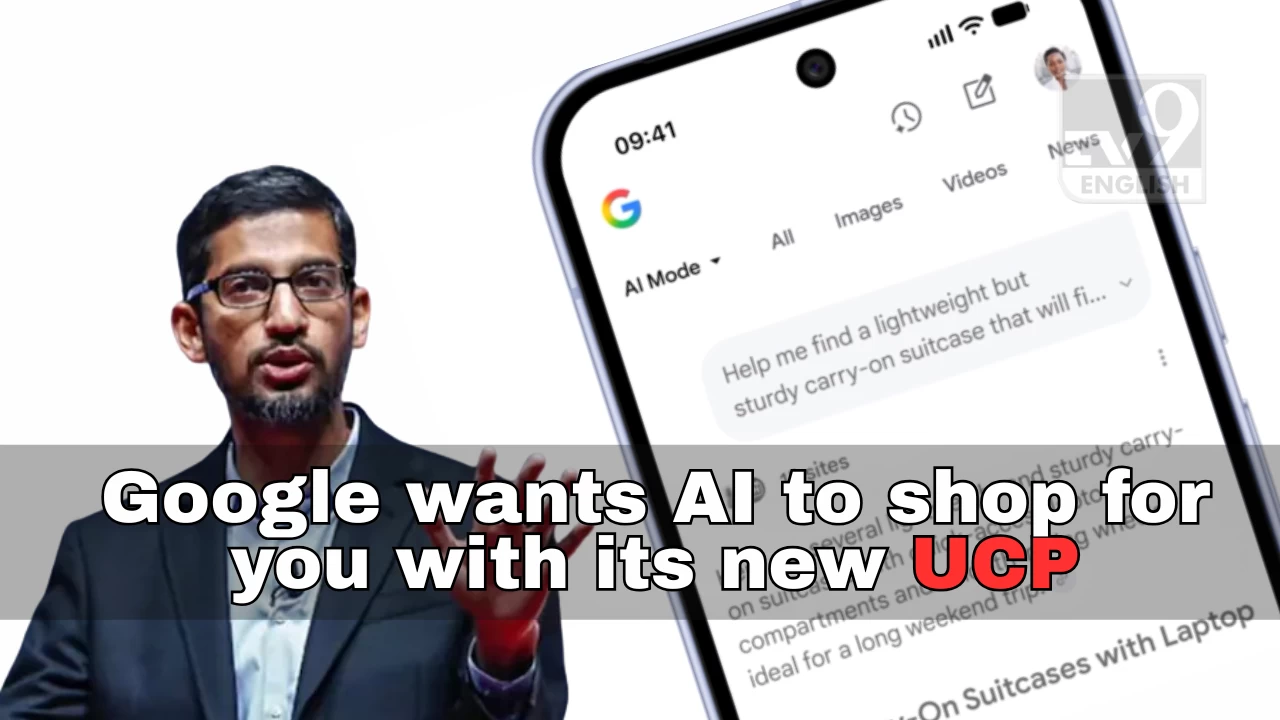
At the National Retail Federation event, CEO Sundar Pichai laid out this next phase clearly. Google is betting on what it calls agentic commerce, where AI systems help users move from discovery to purchase with less friction. At the centre of this plan is a new open standard called the Universal Commerce Protocol, or UCP, which Google says will quietly sit behind future shopping experiences.
What is the Universal Commerce Protocol
The Universal Commerce Protocol is a new open standard designed to help AI agents, retailers and payment systems talk to each other using a common language. Google says this removes the need for custom connections between every shopping agent and every seller.
Pichai described it as a protocol built for global scale and real commerce journeys. He said the industry needs a shared system that works across discovery, decision and purchase, and UCP is meant to be that building block.
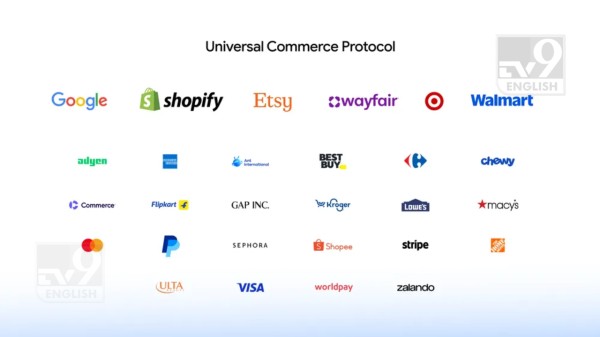
UCP has been developed with companies such as Shopify, Etsy, Wayfair, Target and Walmart. It is also endorsed by more than 20 firms including Flipkart, Visa, Mastercard and Stripe. Google says the protocol works with existing systems like Agent2Agent, the Agent Payments Protocol and the Model Context Protocol.
How shopping on Google will change
For users, the biggest visible change will be checkout inside Google itself. Google confirmed that UCP will soon power a native checkout option on eligible product listings in AI Mode on Search and in the Gemini app.
This means a user researching a product will be able to buy it without leaving the conversation. Payments will use Google Pay with saved details from Google Wallet, and PayPal support is expected soon. Google stressed that retailers remain the seller of record and keep control of customer relationships.
Pichai gave an example of searching for a suitcase. With UCP, a retailer could instantly show a new member offer or suggest add-ons during checkout, all inside the same flow.
Business Agent and branded AI shopping
Google is also launching Business Agent, a branded AI assistant that lets users chat directly with retailers on Search. It works like a virtual sales associate that answers product questions in the brand’s own voice.
The feature goes live with retailers such as Lowe’s, Michael’s, Poshmark and Reebok. Over time, brands will be able to train these agents on their own data, offer deals and enable direct purchases through agentic checkout.
Google says this helps brands reach shoppers during high-intent moments, without forcing them onto separate websites too early.
Ads, offers and discovery in the AI era
Another change is coming to Google Ads. The company is testing Direct Offers in AI Mode, where shoppers may see exclusive discounts when they are close to buying. Retailers set the offers, and Google’s AI decides when to show them.
Alongside this, Google is adding new data attributes to Merchant Center. These go beyond keywords and include things like common product questions, compatible accessories and substitutes. The aim is to make products easier to surface in conversational searches on AI Mode, Gemini and Business Agent.
Why this matters
For users, UCP means fewer steps between curiosity and checkout. For retailers, it offers a way to stay visible as shopping moves away from simple keyword searches.
Google says this is just the beginning. More features like loyalty rewards, related product discovery and global expansion are planned.