Sign In
By signing in or creating an account, you agree with Associated Broadcasting Company's Terms & Conditions and Privacy Policy.
By signing in or creating an account, you agree with Associated Broadcasting Company's Terms & Conditions and Privacy Policy.
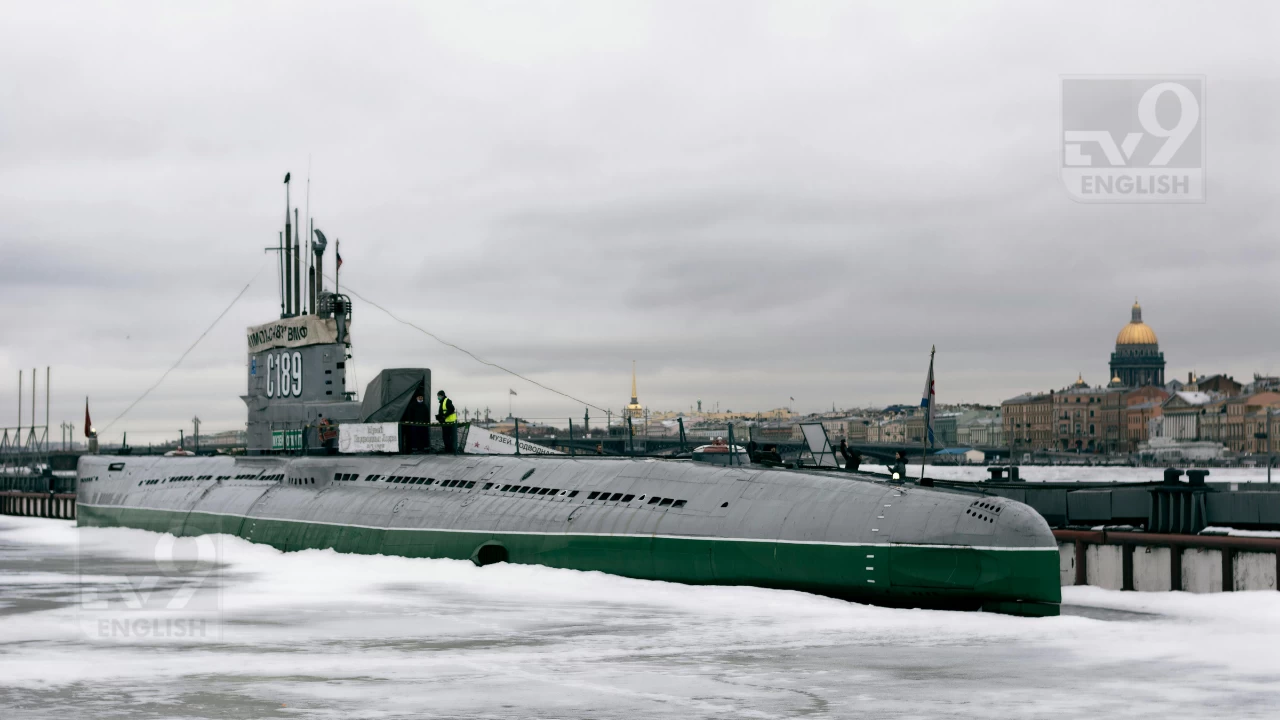

New Delhi: A major cybersecurity attack has hit France's Naval Group, one of the world’s biggest warship and submarine manufacturers. Hackers have leaked 30 gigabytes of sensitive data online, allegedly linked to the combat systems used in French submarines and frigates. They say this is just a fraction of the total 1 terabyte of data they claim to have.
The company, majority-owned by the French government and partly held by Thales Group, called it a “reputational attack.” As per a Financial Times report, they haven’t received any ransom demands yet, nor have they spotted any direct intrusion into their systems. But the breach has triggered alarm bells because of the type of data involved, we’re talking about tech that powers modern naval warfare.
The leaked data reportedly relates to combat management systems, the core software used in submarines and warships to detect, track and engage threats. That’s military-grade tech. Even a small leak could be a problem if it reveals internal processes, technical specs or vulnerabilities.
The hackers published the 30GB data dump on a known online forum. They haven’t named themselves publicly, and their motive remains unclear. No ransom note, no demands, no emails.
Naval Group released a statement late Saturday, saying, “All our teams and resources are currently mobilised to analyse and verify the authenticity, origins and ownership of the data as quickly as possible.”
The firm says it hasn't found any sign of hackers breaching their internal IT systems. It has reported the incident to French authorities and is investigating the matter closely with government support.
Here’s a quick summary of what’s known so far:
| Detail | Information |
|---|---|
| Leaked data volume | 30 GB (claimed to be part of 1 TB total) |
| Data content | Combat management system of submarines and frigates |
| Source of leak | Online hacking forum |
| Ransom demand | None so far |
| Response from Naval Group | Investigating with French govt, no detected breach |
| Company ownership | French State (majority), Thales Group (35%) |
In its public statement, the company stressed that nothing has affected day-to-day business so far. “At this stage, no intrusion into our IT systems has been detected and there has been no impact on our activities,” it said.
But cyber experts are not taking it lightly. Even if the systems weren’t directly breached, leaks of this kind can expose internal documents, operational manuals, software blueprints or communication records. Some cybersecurity professionals believe the hackers could have gained access through third-party suppliers or old systems.
Naval Group said it has not contacted the hackers. That’s in line with their internal cybersecurity rules, and honestly, a smart move to avoid being drawn into a back-and-forth that could legitimize the attackers.
Meanwhile, the French defence ministry has declined to comment. That’s not unusual in such cases, especially when military contracts and classified data may be involved.
Naval Group supplies vessels not just to France but to several other nations. Any leak could also potentially put foreign government contracts at risk, especially if those buyers feel their systems could be exposed.
This isn’t just a one-off breach. It’s part of a larger trend where hackers are now increasingly targeting military suppliers, not just banks or tech companies.
Cyberattacks like this could:
Naval Group is already dealing with “informational tensions” globally, as it put it, and this leak couldn’t have come at a worse time.
Right now, it’s hard to say whether the leaked files are real or if the 1-terabyte claim is just a bluff. But the company’s reaction and the quick involvement of French authorities show they’re treating this seriously.
The Financial Times report confirmed that no communication has taken place between the hackers and Naval Group, and legal authorities have been informed.
Whether this ends up being a case of stolen junk data or something more serious, it’s another reminder of how even military-grade systems are not immune to the reach of cybercriminals.