Sign In
By signing in or creating an account, you agree with Associated Broadcasting Company's Terms & Conditions and Privacy Policy.
By signing in or creating an account, you agree with Associated Broadcasting Company's Terms & Conditions and Privacy Policy.
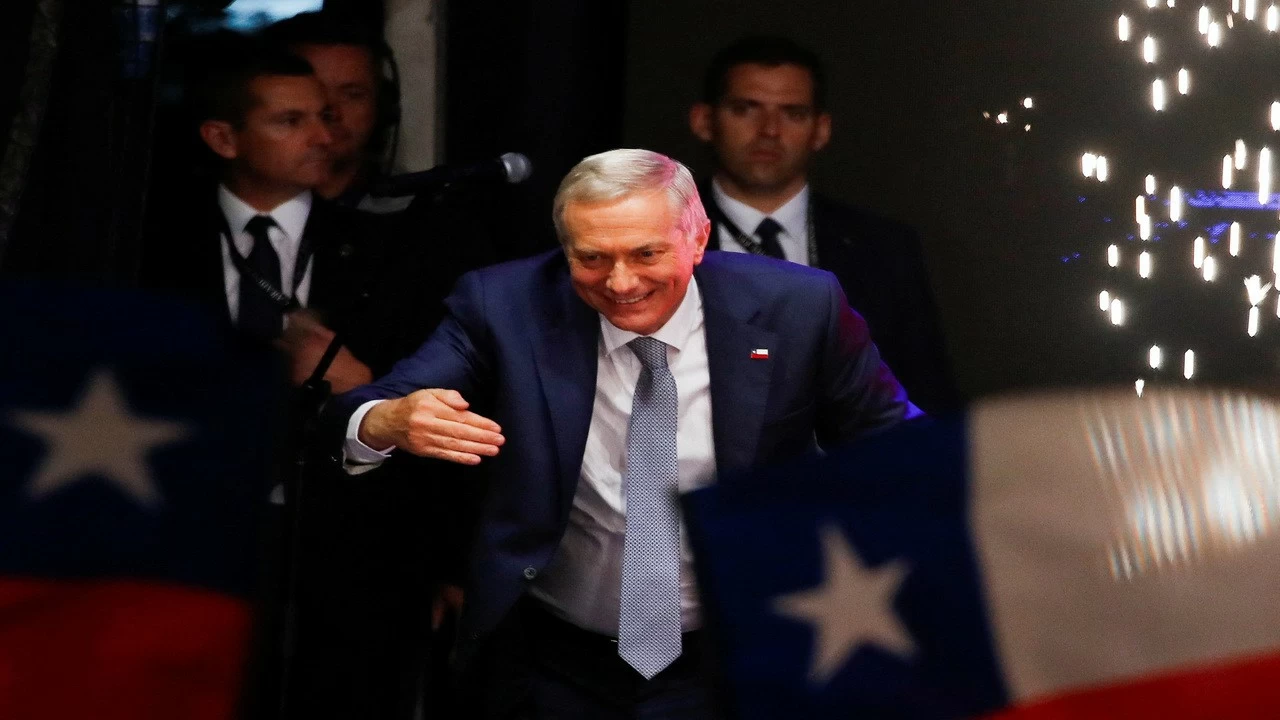

New Delhi: The results of the runoff elections in Chile are out, and far-right candidate José Antonio Kast has achieved a definitive win in Chile’s presidential election. Kast, leader of Chile’s Republican Party, won the presidency with a clear margin and his victory marks a significant rightward shift in Chile’s politics. The victory is also being seen as part of the recent right-wing victories in South America, for example those seen in Argentina and Ecuador.
José Antonio Kast's victory in the Chilean Presidential election marks a significant political shift in the country’s politics. The victory for the leader of the Republican Party by a clear margin is a clear change of politics in the country towards a marked right-ward turn.
Kast’s campaign focused heavily on law and order, tougher approaches to crime and immigration, tax cuts, and rolling back progressive reforms introduced in recent years. These look to have resonated well with voters in Chile facing uncertain economic and social conditions.
The win for such policies is significant, as Chile has traditionally been a strong democracy in the region with centre-left and moderate centre-right governments enjoying power since the end of August Pinochet’s dictatorship.
Chile’s election result stands in context to the larger changes in politics in the region. The slow but steady shift towards a more rightward politics is currently clear in South America.
Nothing perhaps exemplifies this more than the win of libertarian economist Javier Milei in Argentina. An extremely vocal, but controversial voice, Milei rose to power on an anti-establishment platform principally by pledging sweeping economic reforms. The themes of Milei’s win were economic, aimed at placating voters' anxieties around their uncertain economic conditions.
A similar case was also seen in Ecuador, where President Daniel Noboa pursued a tough security agenda, deploying the military to confront drug gangs and positioning himself as a leader willing to take extraordinary measures to restore order. Such populist moves it seems are working in the politics of the region. Similar conservative or centre-right governments have also gained or retained power in countries such as Paraguay and Panama, a clear larger trend that Chile has now followed.
The situation in Chile is similar to that seen in Europe in recent years. Italy, France, the Netherlands and Sweden, have all seen conservative voices rising, with far-right political parties capitalising on issues like immigration, crime, cultural identity and economic distress.
In the case of Latin America, some of such issues are common, but some others are also present. Unlike the principal issue of immigration, rising crime, drug safety and economic distress are major political issues. Dissatisfaction with the ability of left-wing governments to deliver prosperity among rising rates of inflation is another reason for the rise of right-wing governments in the region.
What remains similar but prominent though is the attraction towards populist politics and themes. While not outright rejecting modern liberal democracies, what many voters across countries seem to prioritise is practical everyday concerns that seem deliverable by stable, effective-looking leaders and political parties. It is the need for such politics that looks to be ushering this new wave of far-right populist governments the world over. Latin America too it is clear is not unaffected by these trends.